Freeze-Dried vs Dehydrated Eggs: What's the Difference?
Published · Updated
How freeze-dried and dehydrated eggs are made, how they compare, and which one fits your kitchen or pantry.
Freeze-dried eggs are frozen and then dried in a vacuum at low temperature. Dehydrated eggs are dried with heat. That one difference changes almost everything else: freeze-dried eggs keep more of their fresh flavor, fluff up better in the pan and last much longer in storage, while dehydrated eggs usually cost a little less.
Both are sold as powdered eggs, so the labels can look alike. Here's how the two methods work, how they compare side by side, and which one makes sense for your kitchen, camping bag or emergency pantry.
Freeze-dried
Frozen, then vacuum-dried
- Taste
- Close to fresh
- Scrambles
- Soft & fluffy
- Shelf life (sealed)
- Up to 25 years
- Price
- Higher
- Best for
- everyday cooking, camping and long-term food storage
Dehydrated
Dried with hot air
- Taste
- Slightly "cooked"
- Scrambles
- Denser, can be rubbery
- Shelf life (sealed)
- A few years
- Price
- Lower
- Best for
- budget baking you will use within a year or two
How freeze-drying eggs works
- Whole eggs are cracked, blended and frozen solid.
- The frozen eggs go into a vacuum chamber.
- Gentle warmth turns the ice straight into vapor without melting it (this step is called sublimation).
- The dry eggs are milled into a fine powder and sealed to keep out air and moisture.
Because the eggs are never cooked, the proteins keep their natural structure. That's why freeze-dried eggs scramble up soft and fluffy instead of rubbery.
How dehydrating eggs works
Dehydrated eggs are dried with warm air. Most commercial egg powder is spray-dried: liquid egg is sprayed into a stream of hot air and dries in seconds. At home, people spread eggs on dehydrator trays and dry them for hours.
The heat partly cooks the eggs. The result is drier and denser, often with a slightly "cooked" or sulfur taste, and it rehydrates less evenly.
A quick safety note: home-drying raw eggs is generally not recommended by food safety experts because of the salmonella risk. If you want shelf-stable eggs, buying a commercially made powder is the safer choice.
Freeze-drying
No cooking · ~98–99% of water removed
- Eggs are blended and frozen solid
- Placed in a vacuum chamber
- Ice turns straight to vapor at low heat
- Milled to powder and sealed
Dehydrating
Heat-dried · ~90–95% of water removed
- Liquid egg is sprayed or spread out
- Hot air dries it (partly cooks it)
- Ground into a denser powder
Freeze-dried vs dehydrated eggs: side by side
| Freeze-dried eggs | Dehydrated eggs | |
|---|---|---|
| How they're dried | Frozen, then dried in a vacuum at low heat | Dried with hot air |
| Moisture removed | About 98–99% | Usually about 90–95% |
| Taste | Close to fresh eggs | Often a bit "cooked" or eggy |
| Texture when cooked | Soft, fluffy scrambled eggs | Denser, can turn rubbery |
| Rehydrating | Mixes in quickly and smoothly | Takes longer, can clump |
| Nutrition | Keeps most of the protein, vitamins and minerals | Some heat-sensitive vitamins can drop |
| Shelf life (sealed) | Up to 25 years | Usually a few years, depending on packaging |
| Price | Higher | Lower |
The short version: dehydrated eggs are fine for baking if price is your top concern. Freeze-dried eggs are better when you want eggs that taste and cook like fresh, or when you're storing them for the long haul.
Which one should you choose?
- Everyday cooking (scrambled eggs, omelets, breakfast burritos): freeze-dried. They scramble soft and taste much closer to fresh.
- Baking (cakes, muffins, pancakes, cookies): either works. Freeze-dried powder mixes more smoothly, and dehydrated is cheaper if the eggs are just one ingredient among many.
- Camping, hiking and RV trips: freeze-dried. It's light, needs no cooler, and makes a real breakfast with just water and a pan.
- Emergency food storage and prepping: freeze-dried. A shelf life of up to 25 years means you buy once and rotate less often.
- Tight budget, short-term use: dehydrated can make sense if you'll use it within a year or two.
If you mainly want eggs that cook and taste like eggs, freeze-dried is worth the small price difference.
Wondering about nutrition? Read Are Powdered Eggs Healthy?
How to use freeze-dried egg powder
Mix equal parts powder and water, whisk, and cook like fresh eggs.
| Eggs you want | Freeze-dried egg powder | Water |
|---|---|---|
| 2 eggs | 1/4 cup | 1/4 cup |
| 4 eggs | 1/2 cup | 1/2 cup |
| 6 eggs | 3/4 cup | 3/4 cup |
2 eggs
4 eggs
6 eggs
For freeze-dried scrambled eggs:
- Whisk the powder and cool water until smooth.
- Let it sit for 2–3 minutes so the powder fully absorbs the water.
- Cook over low to medium heat, stirring gently, until just set.
For baking: you can usually add the powder straight to your dry ingredients and add the matching amount of water to the wet ingredients.
Once opened, reseal the bag tightly and keep it in a cool, dry place. For more recipes and tips, see our guide to using powdered eggs.
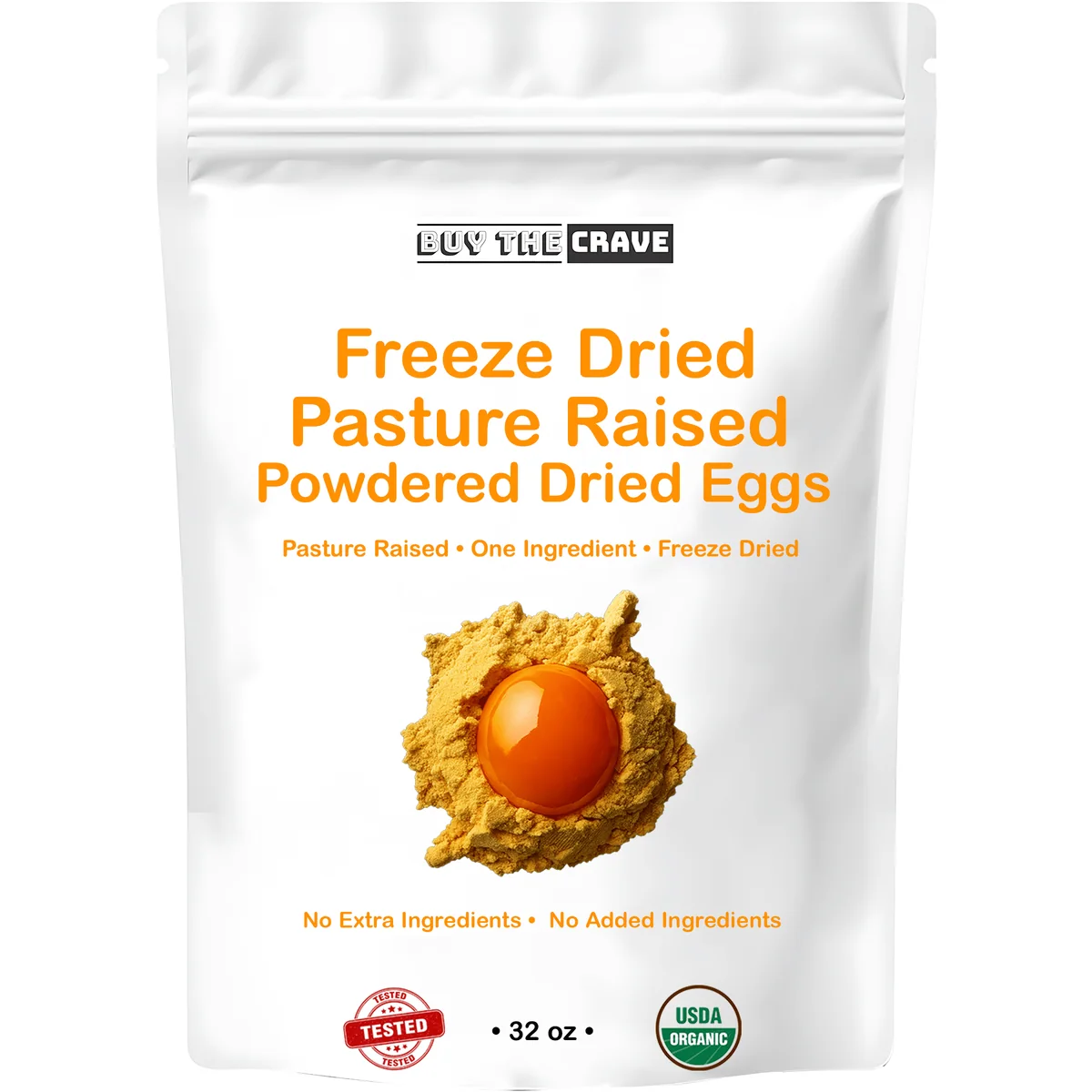
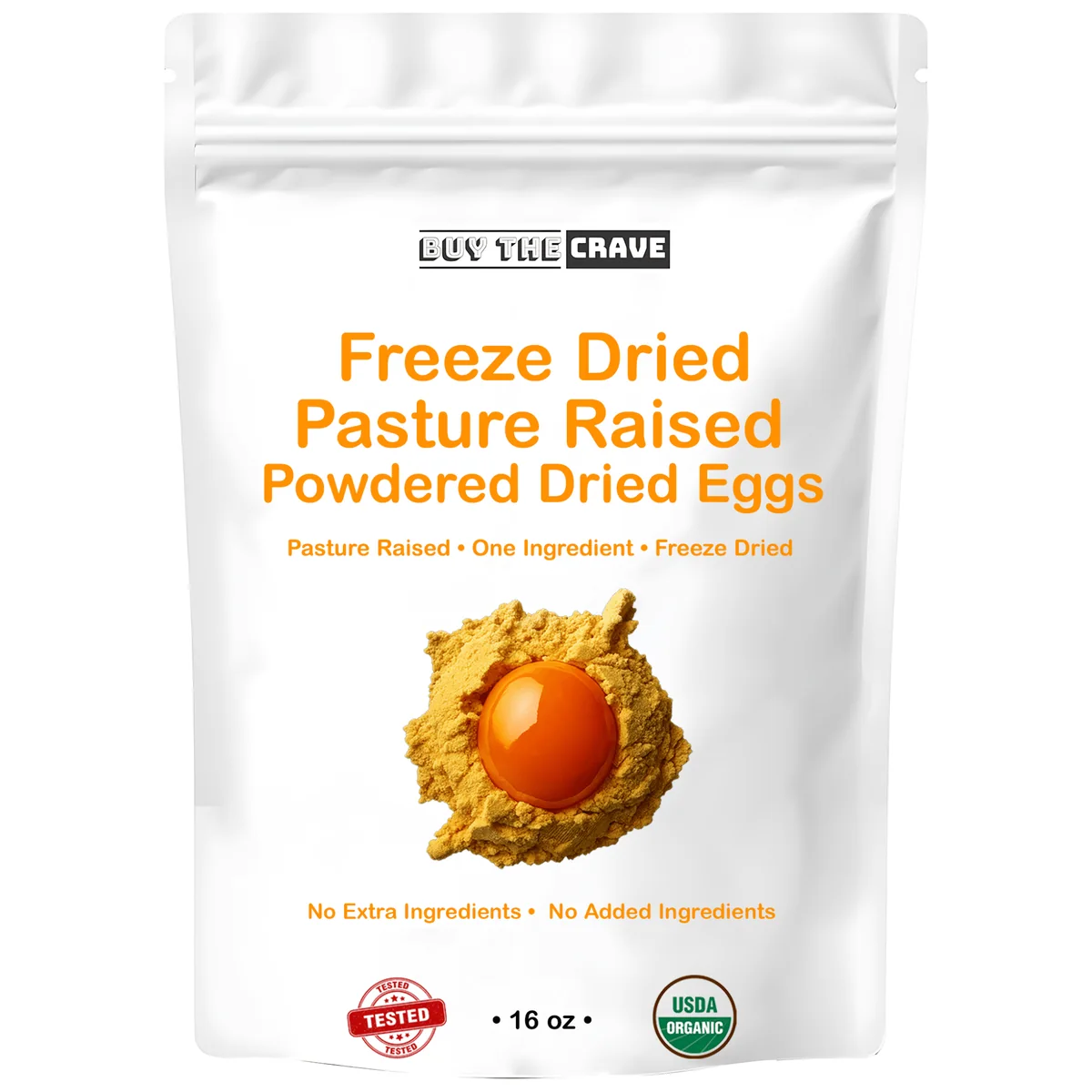
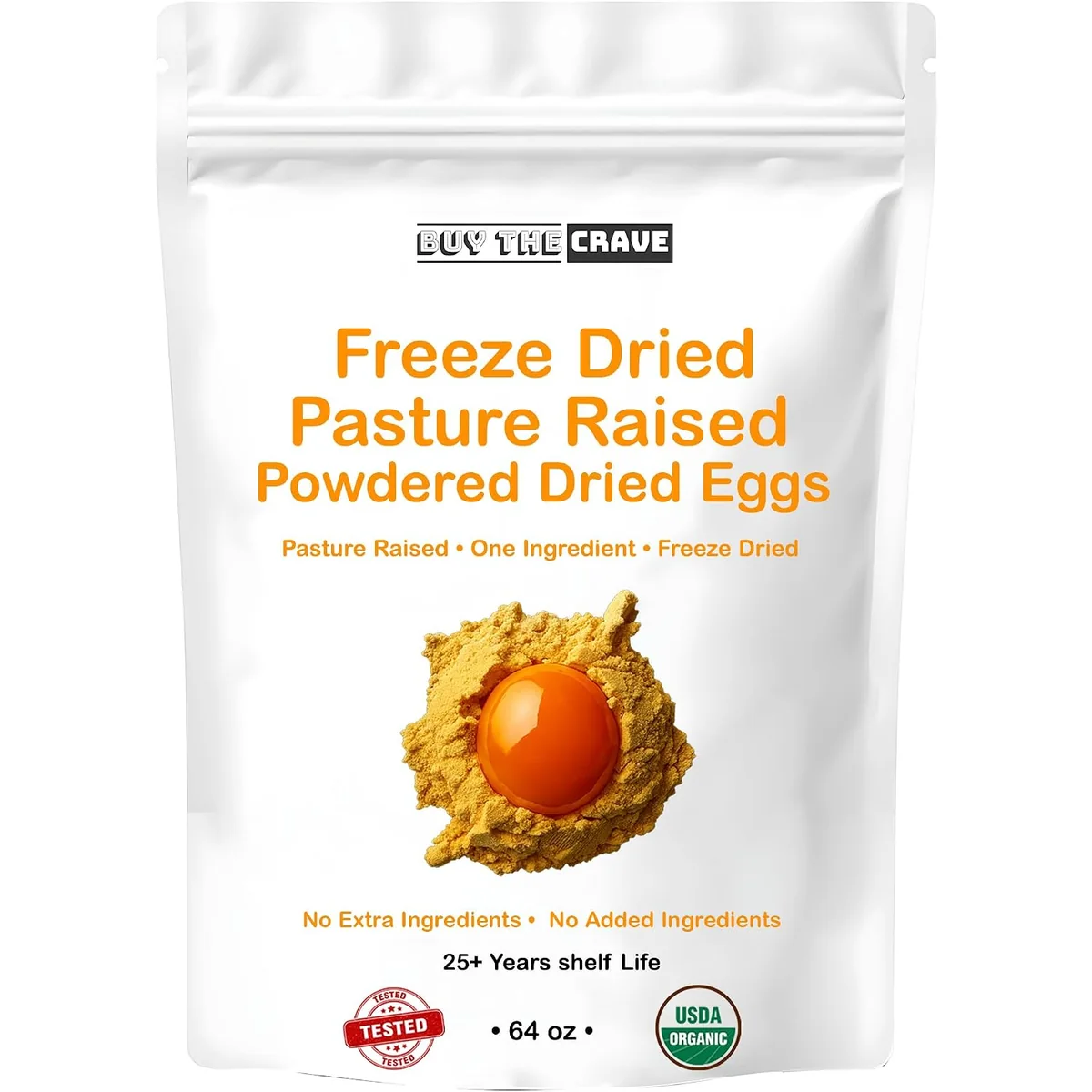
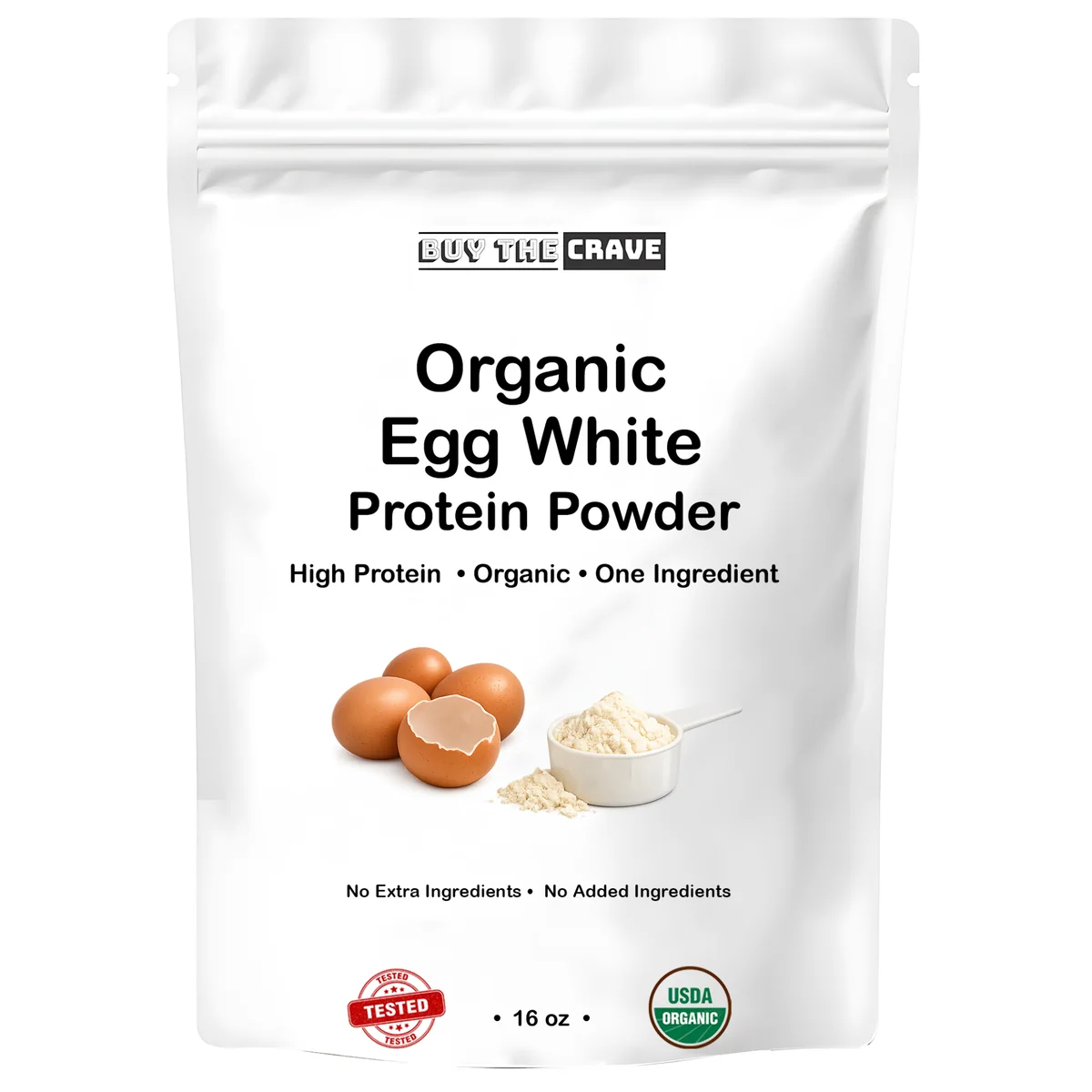
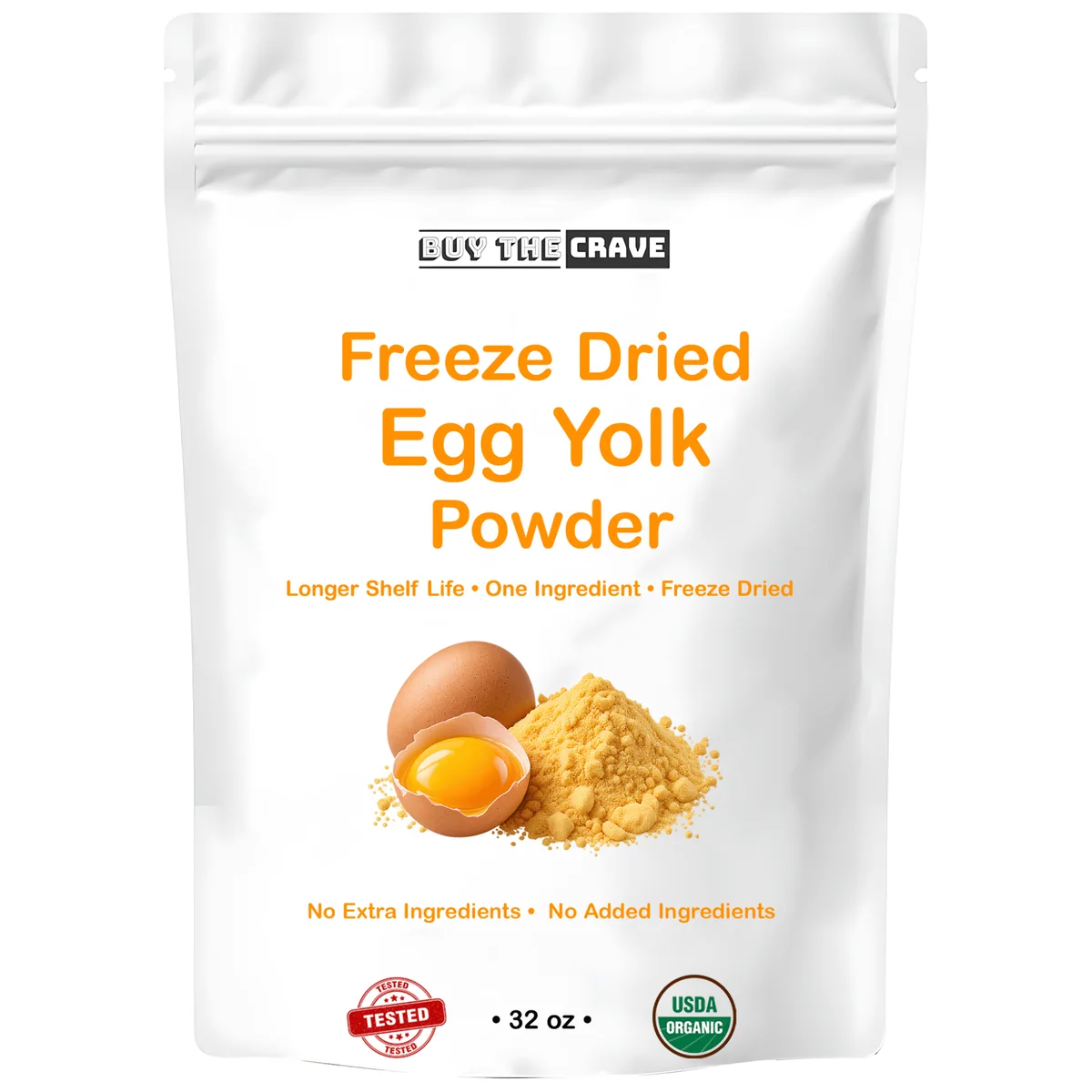
Our Freeze-Dried Whole Egg Powder is made from Grade A eggs from pasture-raised hens and comes in three bag sizes: 16 oz (35 servings), 32 oz (70 servings) and 64 oz (140 servings). Baking something that needs only whites or yolks? Try our Organic Egg White Protein Powder or Organic Freeze-Dried Egg Yolk Powder.
Frequently asked questions
What is the difference between freeze-dried and dehydrated eggs?
Freeze-dried eggs are frozen and dried in a vacuum at low temperature, so they keep more flavor, texture and nutrients. Dehydrated eggs are dried with heat, which partly cooks them and makes them denser.
How long do freeze-dried eggs last?
Sealed and stored in a cool, dry place, freeze-dried egg powder can last up to 25 years. Once opened, reseal the bag after each use and use it within the timeframe on the label.
Are freeze-dried eggs as healthy as fresh eggs?
Freeze-drying removes water, not nutrients, so freeze-dried eggs keep most of the protein, vitamins and minerals of fresh eggs. Once you add water back, they cook and taste much like fresh eggs.
Always cook rehydrated eggs thoroughly before eating.